the whitehouse
The oldest building in Maryhill, now in the care of Maryhill Burgh Halls Trust.
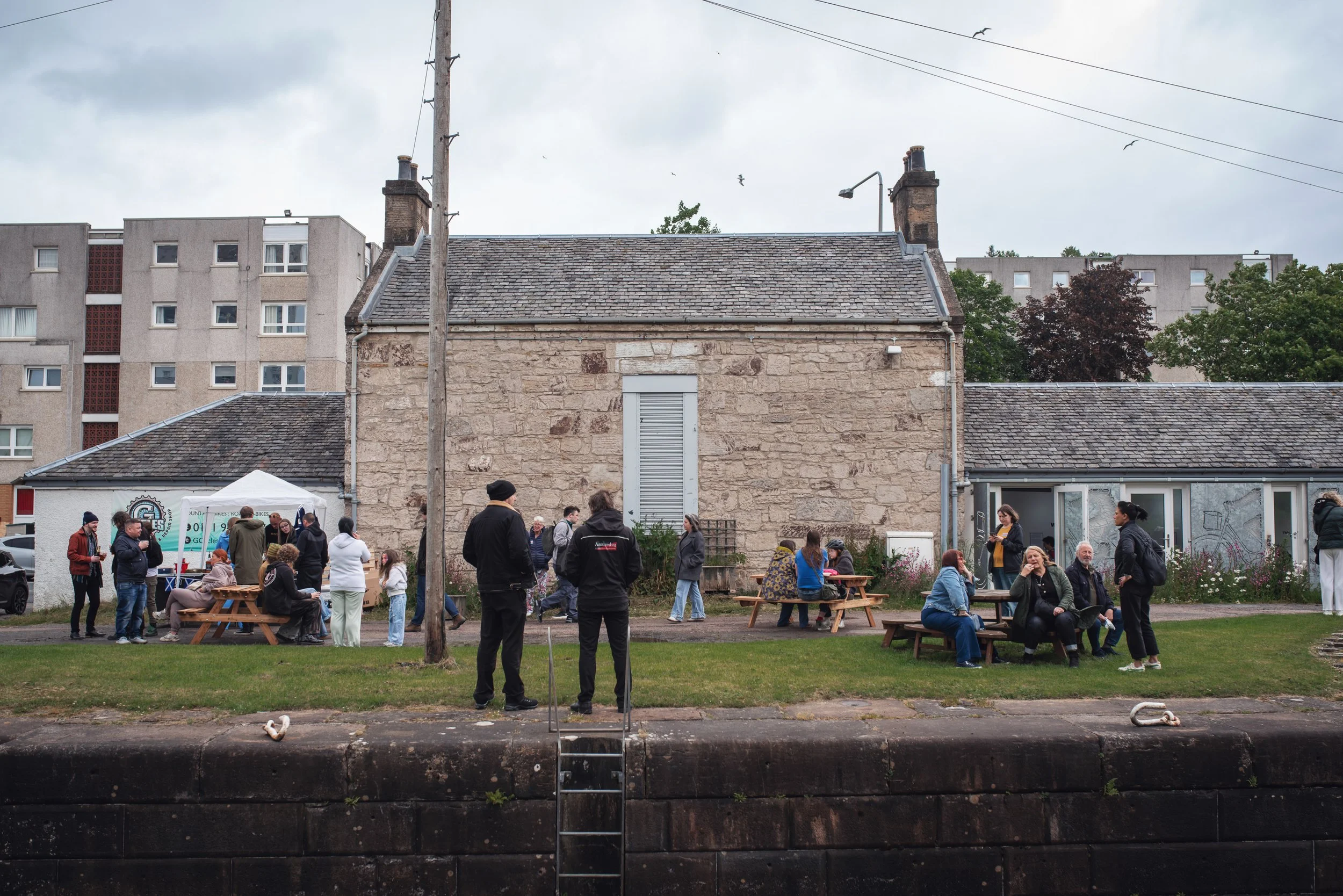
Photo by Alasdair Watson
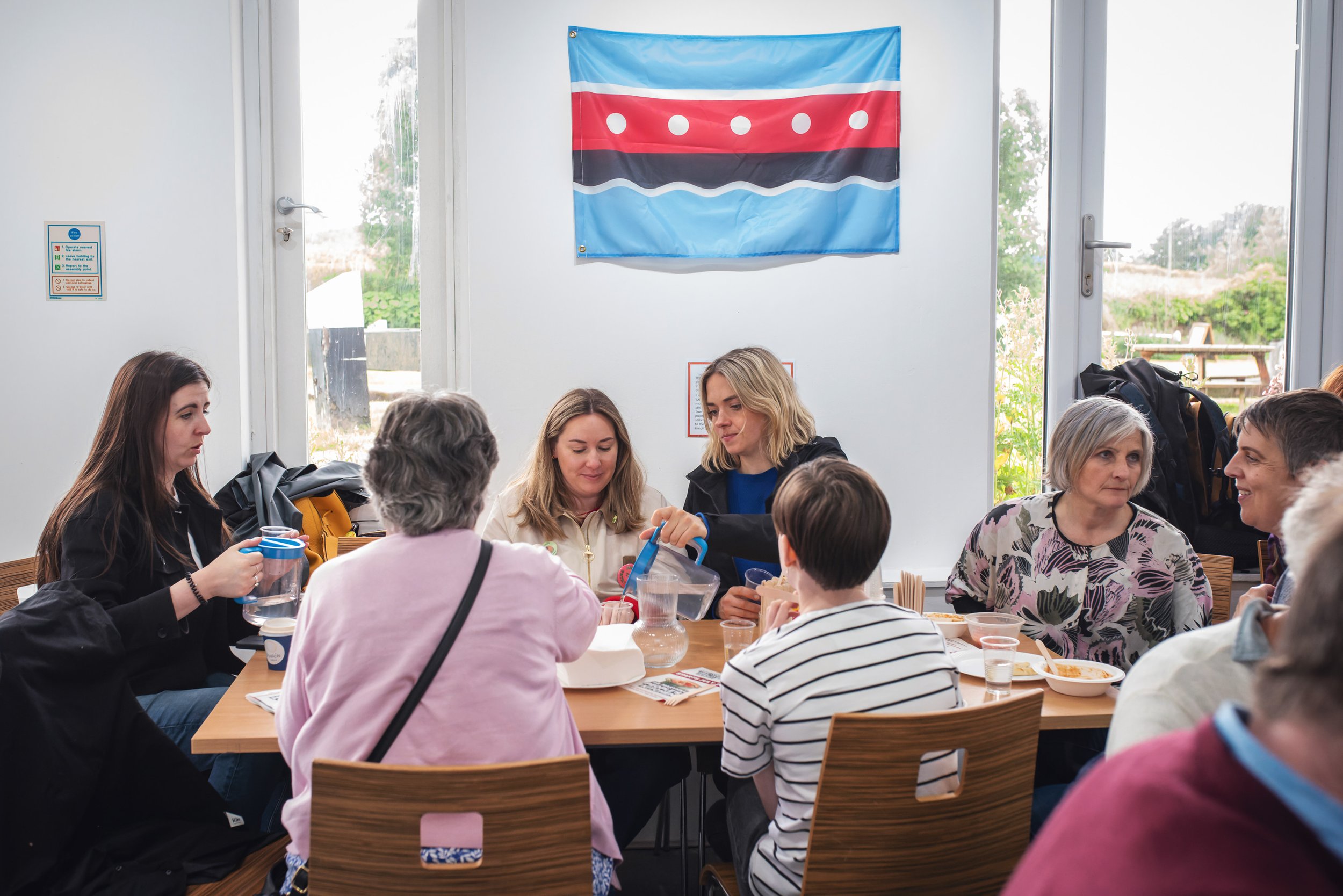
We want The Whitehouse to be a welcoming space to bring people together. We believe people must be asked to get involved, to share their stories, and to take action, to build the community we want to see, for ourselves.
We want The Whitehouse to be a space where people can spend time without having to spend money; a place to be without buying or doing. We believe that we all deserve nice things, right here where we live, so whenever we’re open, we’ll have freshly brewed speciality coffee from local roasters, for free, for anyone who wants a chat, to connect with neighbours or just to be. From November, we’ll be open regular hours all through the winter – watch this space for details and come and see us.
We want The Whitehouse to be an incubator for local projects. We believe that the people of Maryhill are best placed to find the solutions to the challenges that face us, and there is a wealth of creativity and ambition here. If you have an idea or a project to bring people together and you need a space to make it happen, get in touch for a chat:
ABOUT THE PROJECT
Some History…
This building has stood at Lock 21 of the Forth and Clyde Canal since around 1790, making it the oldest building still standing in Maryhill. It was one of the very first things built here, put up to serve the boatmen and dock workers passing through the lock, and for most of its history, it operated as a pub or inn.
It's also tied to how Maryhill got its name. The land it stands on belonged to Mary Hill of Gairbraid, and when the canal company began buying up plots nearby, the deeds carried a clause that changed everything: the new settlement would be ‘in all times called the town of Maryhill.’ Mary's name was fixed, by law, to the place growing up around this building.
Back when it was built, the canal was the busy route and Maryhill Road little more than a track, so the building's front door and steps faced the water, not the road. Only later, as the canal quietened and the road grew busier, did it effectively turn around: what was once the back became the front. Next time you walk in, you're walking through what used to be the quiet side.
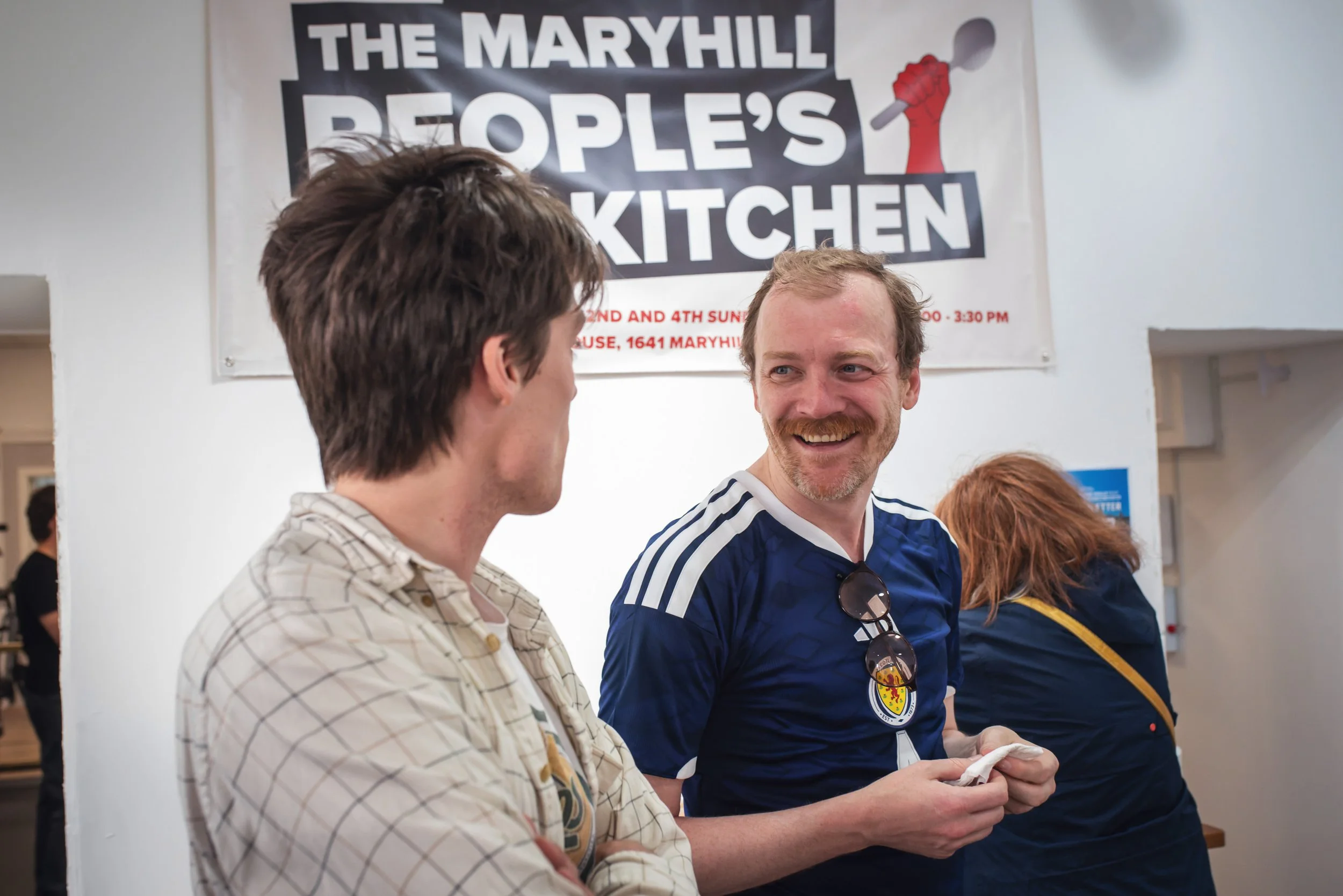
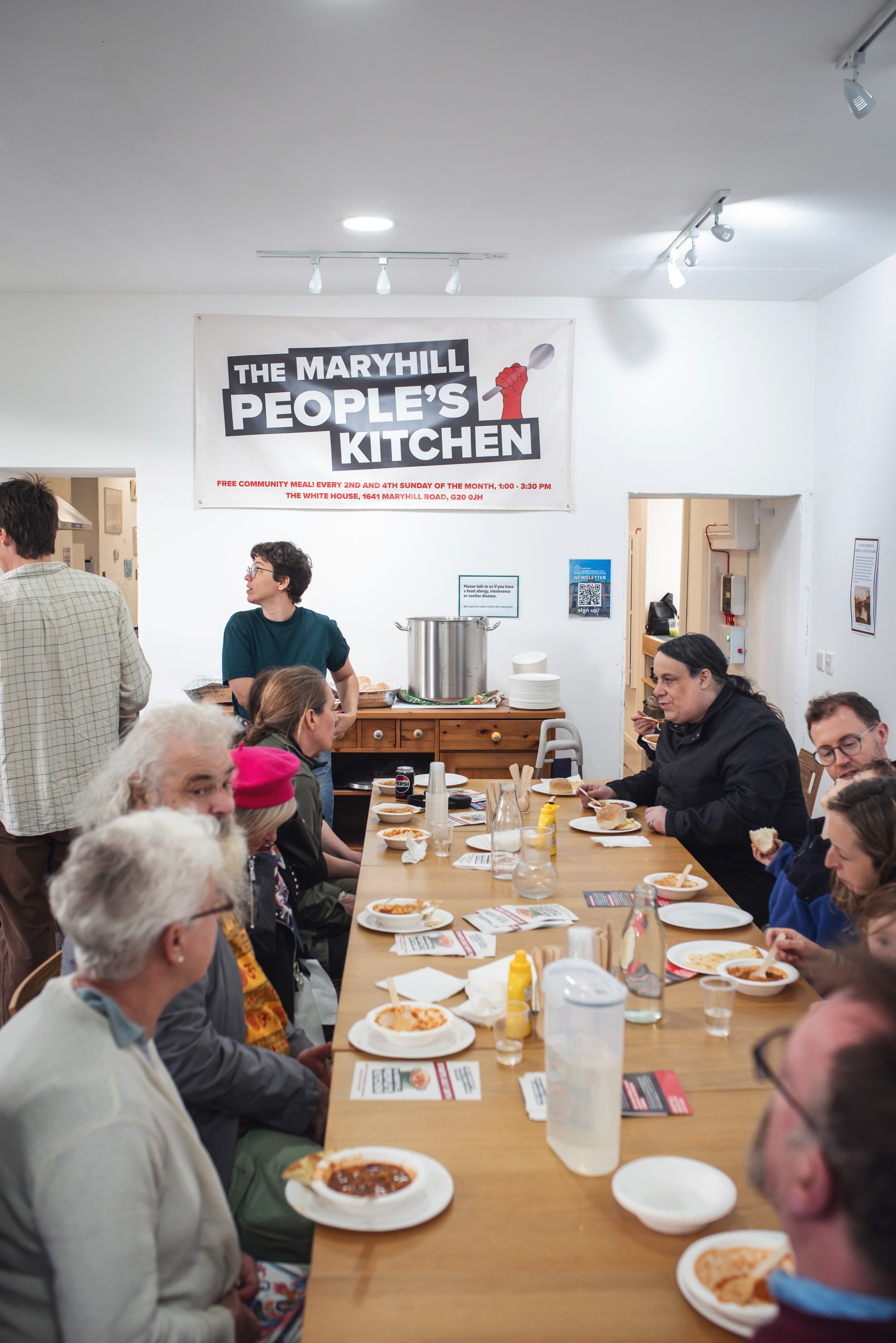
Photos by Alasdair Watson